They tap a word they don’t know.
Its meaning opens in the language itself, in a simple explanation at their level, and they can hear how it is said.


Doz.ai Reader
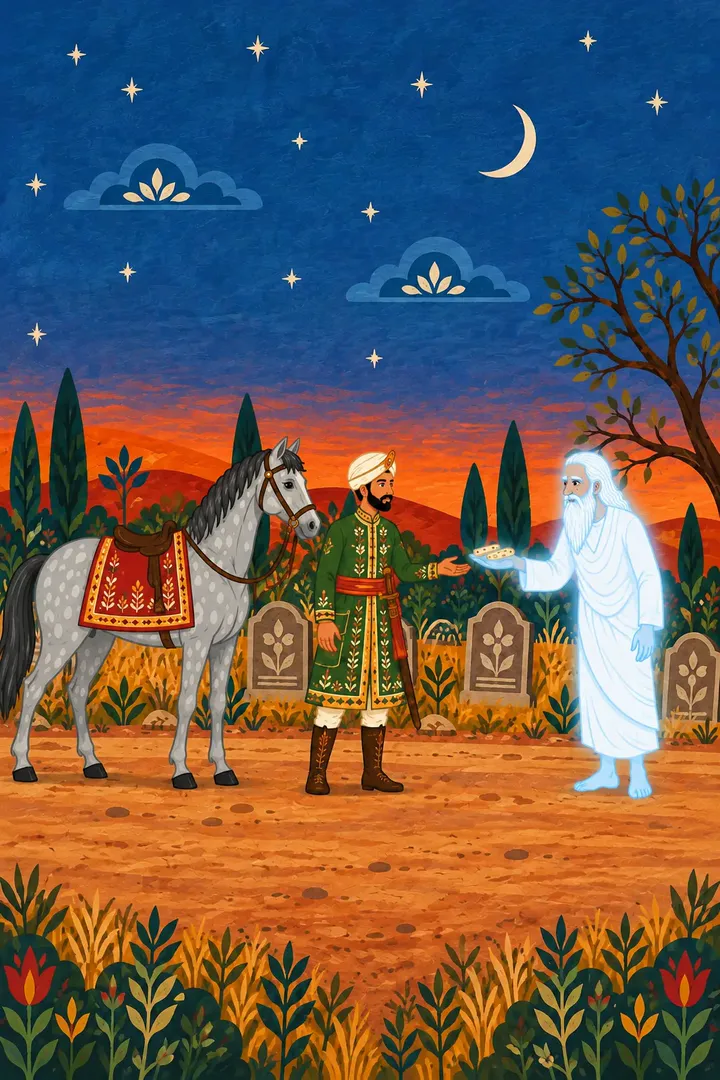
Learners read stories in English and Arabic, chosen for their age and level, in a narrator’s voice. The cover, the pages and the last page all come in the story’s own colours and ornaments.


The picture, the voice and the sentence tell the same moment, so a learner links a new word straight to that moment without translating it. Thinking in the language is the fifth skill, the one that holds the other four together, and we build all our language teaching on it.
The fifth skillIts meaning opens in the language itself, in a simple explanation at their level, and they can hear how it is said.
Arabic stories are written in Arabic for the Arabic curriculum, never translated. At the early levels the page carries full vowel marks, a tapped word opens in simple Arabic, and the practice measures the lesson the story teaches.


The question comes from inside the story. The learner thinks about the scene, chooses an answer and sees the result at once.


The audio drama and the video carry the story’s own colours and ornaments with them.


The last page holds the learner’s answers and the badge they earned. The story’s new words and phrases move into cards that come back before they fade.

Stories follow the school’s own programme. Each learner’s level, reading time and new words sit in one table.
Each app works on its own. Five-skills brings all four together with the fifth skill that binds them.
They read stories in English and Arabic chosen for their age and level, with a narrator’s voice reading along. Every story opens as its own book, and its cover, pages and last page come in the story’s own colours and ornaments.
Each story is written for one level of the Common European Framework of Reference, the CEFR, starting from the very first level, Pre-A1. The level alone sets how long the text is and how hard its language is, while the learner’s age chooses the topic, the characters and the tone, so a beginner of any age reads plain language about things that matter to them.
They tap it, and its meaning opens in the language itself, in a simple explanation at their level, and they can hear how it is said. Later the story’s new words and phrases move into cards that come back before they fade.
Reader checks reading comprehension with a short question that comes from inside the story. The learner thinks about the scene, chooses an answer and sees the result at once, and the last page keeps their answers together with the badge they earned.
Yes, the same story is also heard as an audio drama and watched as a video, and both carry the story’s own colours and ornaments with them.
Teachers see the class’s reading in one table, with each learner’s level, reading time this week, current task and new words, and the stories follow the school’s own programme.
Write to hi@doz.ai and we shape the demo around your learners.